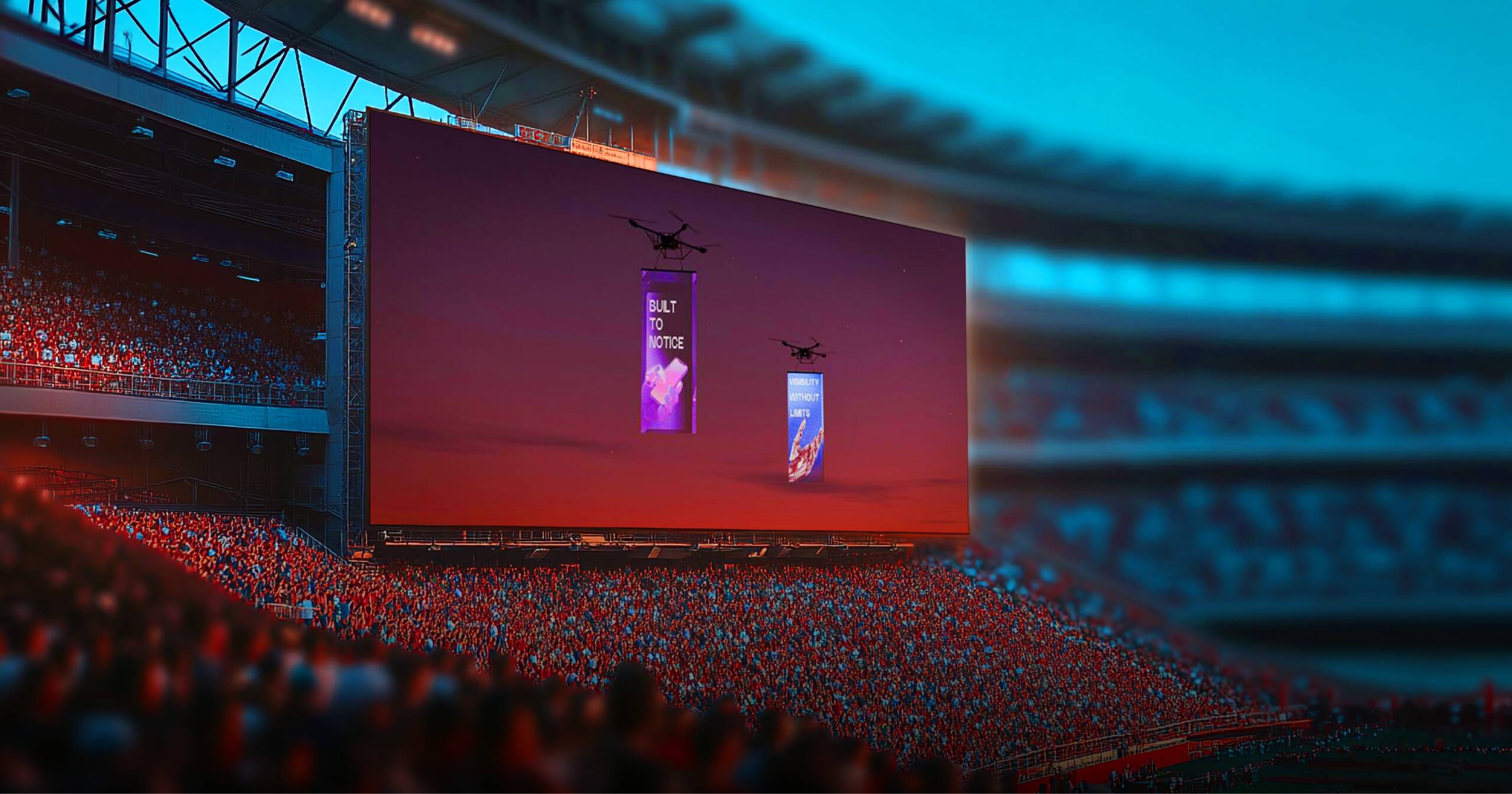
Surveillance drones in India, sometimes referred to as unmanned aerial vehicles (UAVs), come with a variety of modular payload capacities, including data gathering tools, high-resolution cameras suitable for both day/night conditions, and numerous navigation sensors. These ultra-modern devices are used to gather information from heights, keeping an eye on enemy movements to prevent security breaches in high-value assets or facilities.
Type of surveillance drones in India
The surveillance drones in India can be categorized by their design, size, and operational range. Let’s first look into the classification, i.e.:
Classification by Physical Design
This is one of the most common ways of categorizing the drones, as the design directly impacts the flight stability, performance, and endurance:
Multi-Rotor Drones:
These drones include quadcopters, hexacopters, and octocopters with rotors of 4, 6, and 8, respectively. They have VTOL capability and are best for urban surveillance and close monitoring.
Limitations: Shorter flight times, typically 20-60 minutes and are less efficient for covering long distances.
Fixed-Wing Drones:
These drones have rigid wings and require a runway to land and take off. They are built for endurance and speed and are highly efficient for long-range surveillance, mapping, and surveying.
Limitations: Requires a large area for launch and recovery.
Single-Rotor Drones:
These drones are similar to helicopters, but in their miniature versions. They usually come with a single large main rotor and a smaller tail rotor for stability and directional control.
Limitations: Single-rotor drones are less reliable for long-distance surveillance and are mechanically complex, expensive, and pose a greater safety risk.
Hybrid Drones (Fixed-wing & VTOL):
Just like the name suggests, it comes with both fixed wings and multiple rotors and can cover both long-range and confined zones efficiently.
Limitations: Technologically complex to build and required a higher investment initially.
Classification by Size and Range
What surveillance UAV brings to the table, and what are its applications
The advantages of surveillance drones in India are multitude and can be divided into three categories. Firstly, operational advantages, followed by Economic advantages, and lastly Security advantages.
Operational Advantages:
In terms odd operational advantages, drones can be deployed rapidly and can operate easily during blazing forest fires, collapsed buildings or bridges, or areas with inspecting critical infrastructure like powerlines and linear assets.
Economic Advantages:
It has significantly brought down the operational cost compared to manned helicopters used for aerial photography, inspections, or surveillance. With that, it has reduced the cost of labour and manual inspectors too.
Security Advantages:
By sending drones to the high-risk or sensitive zones, the life of human lives don’t need to be compromised now. It can also be used to capture illegal activities like trespassing, poaching, theft, and vandalism.
In this era, these types of drones are becoming an indispensable tool in a diverse range of applications. The applications of surveillance drones range from civilian to defence applications. Let’s discuss each of them:
Defence and Border Surveillance
In modern Kurukshetra, drones are used for gathering intelligence, target acquisition, and maintaining border security. This also helps to provide live feed transmission and is feasible to operate in extreme conditions where human patrols are difficult to do.
Law Enforcement
Police and security agencies utilize drones for monitoring crowds, criminal investigation, SAR operations, and tracking high-value suspects. These UAVs are very beneficial for these agencies as compared to conventional methods, including patrol cars, choppers, as they can enter confined zones, feed live visuals without loss of any personnel.
Humanitarian Crises
After a disaster happens, drones play an invaluable role in assessing damage, locating survivors, and delivering emergency supplies, including food, water, and medical aid in inaccessible zones.
Infrastructure and Construction Inspection
Drones are used to safely and efficiently inspect critical infrastructure and linear assets such as power lines, pipelines, bridges, and wind turbines for maintenance and damage assessment. Other than this, during construction, sites are monitored with an eagle eye to track progress, manage resources, and ensure safety compliance.
Agriculture Monitoring and Environmental Conservation
Farmers employ drones for crop monitoring, assessing plant health, optimizing irrigation, and, most importantly, spraying pesticides, leading to increased yields, removing weeds, and reducing costs effectively. On the other hand, environmentalists and scientists use to monitor wildlife populations, track deforestation, combat poaching, and monitor climate change, respectively.
Do surveillance drones in India come with any limitations?
Yes, it does. Just as a coin has two sides, the same applies to drones. Despite having a sophisticated device, the drones come with some limitations, too. Their foremost limitations are their limited flight time and range. Most commonly used surveillance drones in India come with a flight time that ranges from 20 to 40 minutes on a single battery charge. This limits their capability to conduct prolonged surveillance missions.
Adverse weather conditions are another limitation. Though surveillance drones can handle extreme hot and cold temperature ranges between -20 °C to +55 °C but they are prone to high winds and rain, which can damage their sensitive electronic components and significantly reduce battery performance and flight time. Like any complex technology, drones are prone to technical failures, which can range from propeller malfunctions to software glitches and loss of communication with the pilot. Beyond the initial cost of purchasing drones, they are also tough to maintain and repair.
At last, to manage flight operations, a skilled and trained operator is required. The role of an operator is not limited to flying drones only, but also to managing surveillance and interpreting the data collected. Regulatory hurdles such as obtaining pilot certification, drone registration, being subject to no-fly zones, and obtaining necessary permissions for surveillance can be a time-consuming process.
These challenges must be carefully considered and addressed to ensure a smooth and responsible use of this sophisticated technology. We can’t attain the full advantage of surveillance drones till we will not focus on their optimal use.
For more updates, we will encourage you to visit our official website and book a demo.